If you are planning a trip to Costa Rica, there is a good chance you have already narrowed your list down to two destinations: Guanacaste and Manuel Antonio. These are the country's two most popular regions for international visitors, and both deliver an extraordinary vacation experience. But they cater to distinctly different travel styles, and choosing the right one, or deciding to split your time between both, can shape your entire trip.
Guanacaste occupies the northwestern corner of Costa Rica and is defined by its expansive coastline, reliable sunshine, and resort-style atmosphere. It is the destination for travelers who want long, lazy beach days, spectacular sunsets over the Pacific, and the kind of luxury villa living that turns a vacation into a true escape. Manuel Antonio, on the central Pacific coast, is smaller and more concentrated. It revolves around its famous national park and delivers a denser, more immersive experience where rainforest meets ocean and wildlife is everywhere you look.
Both are incredible. Neither is objectively better. The right choice depends entirely on what you want from your Costa Rica vacation. This guide breaks down every major category to help you decide.
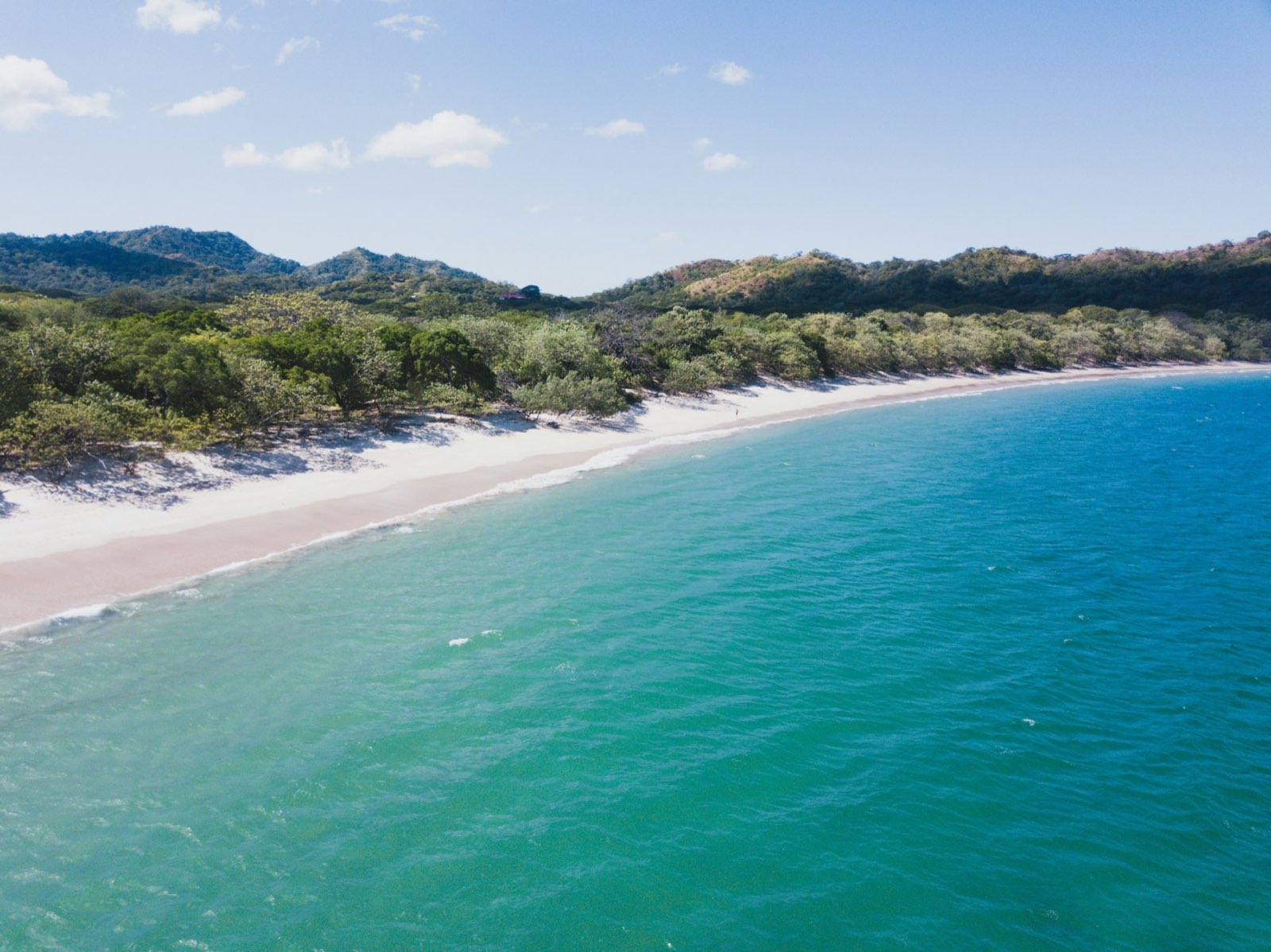
Guanacaste is home to dozens of beaches spread along more than 100 kilometers of coastline, and the variety is remarkable. Playa Flamingo is the luxury pick, with calm turquoise water, white sand, and a marina that hosts deep-sea fishing charters and catamaran tours. Tamarindo is the social hub, a lively beach town with excellent surf, beachfront restaurants, and a buzzing atmosphere that draws a younger, more energetic crowd. Playa Conchal is one of the most unique beaches in Costa Rica, its shoreline composed almost entirely of millions of tiny crushed shells that give the sand a distinctive pink-white shimmer. For those who want seclusion, beaches like Playa Danta and Playa Prieta offer quiet stretches of sand that feel almost private. The sheer number of options means you could spend two weeks in Guanacaste and visit a different beach every day.
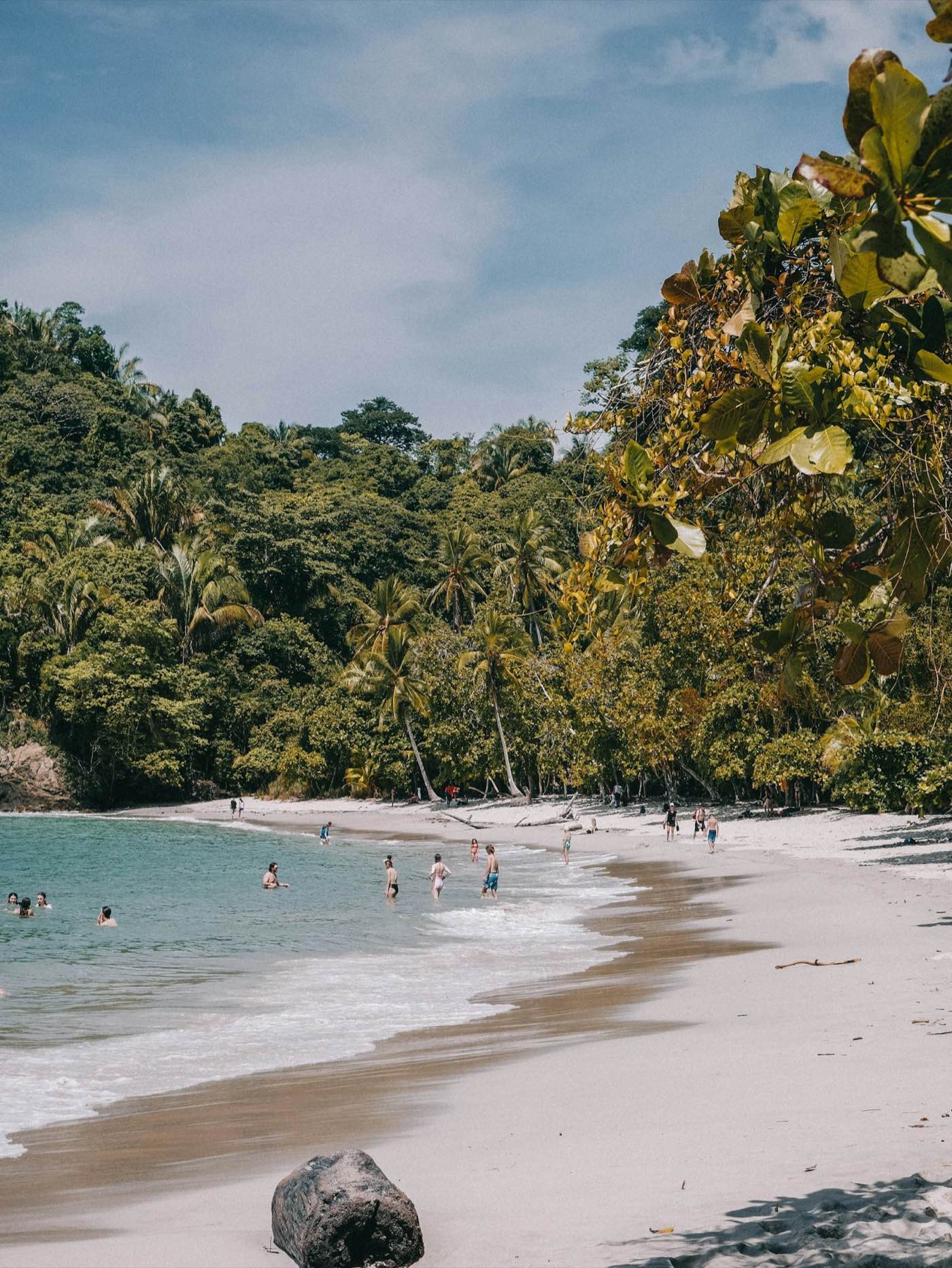
Manuel Antonio has fewer beaches, but what it lacks in quantity it more than makes up for in drama. Playa Espadilla is the main public beach, a long crescent of golden sand backed by towering palms and thick rainforest. It is an excellent swimming beach and the starting point for most national park visits. Inside the park itself, the beaches are even more spectacular. Playa Manuel Antonio is a pristine white-sand cove sheltered by a tombolo, a narrow land bridge connecting the mainland to a rocky point called Cathedral Point. The water is calm, clear, and warm year-round. What makes these beaches truly unique is the wildlife. It is entirely normal to lay down your towel and look up to find a troop of capuchin monkeys in the trees above you, or an iguana sunbathing a few meters away. That combination of beach and biodiversity is something no other destination in the country can match.
The verdict on beaches: Guanacaste wins on variety and sheer quantity. Manuel Antonio wins on atmosphere and the unforgettable experience of sharing the sand with wildlife.
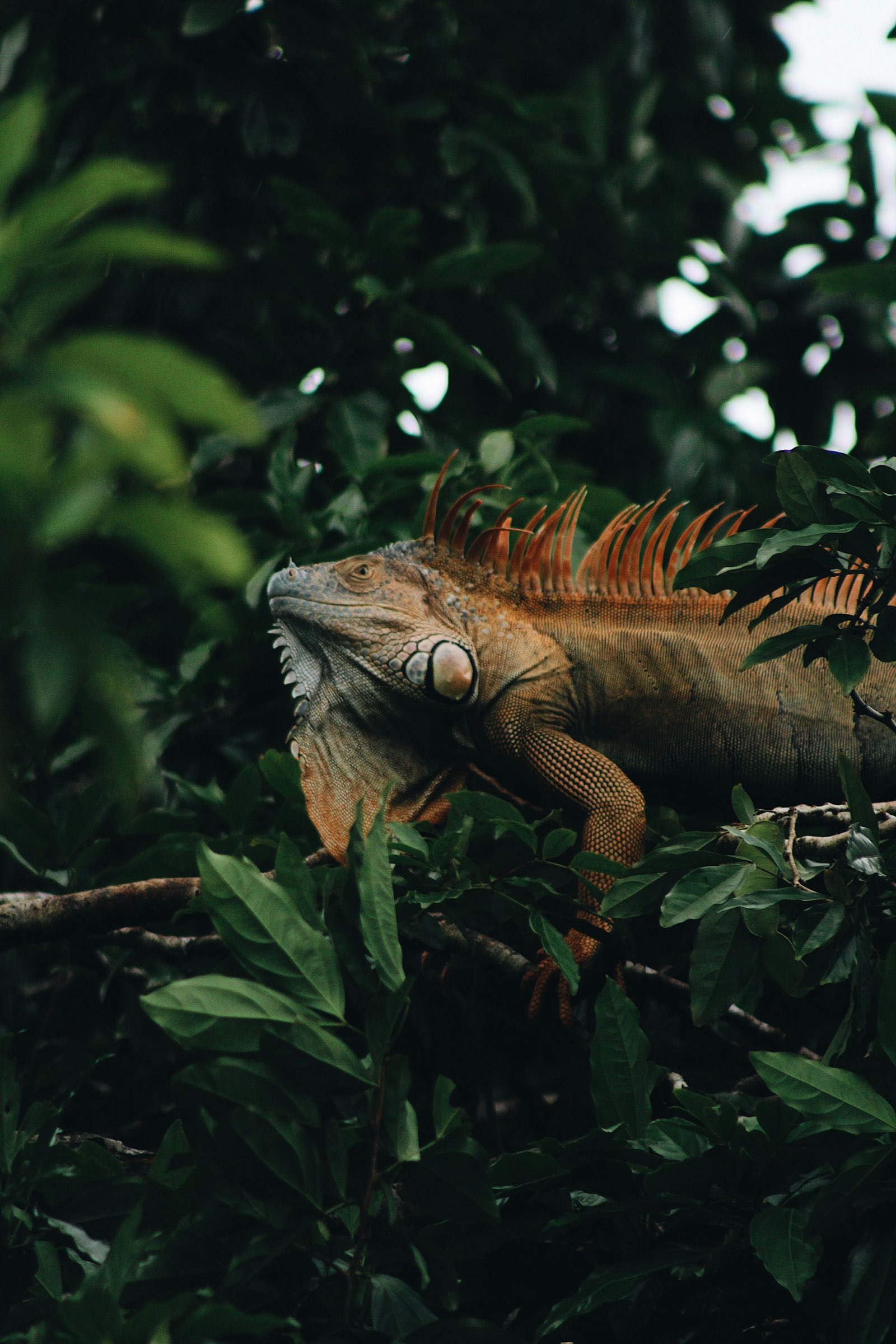
Manuel Antonio is the clear winner in this category. Manuel Antonio National Park is the most visited national park in Costa Rica and one of the most biodiverse places on Earth per square meter. Despite being the smallest national park in the country at just under 20 square kilometers, it supports an astonishing concentration of species. Within the first hour of a guided hike, most visitors spot white-faced capuchin monkeys, squirrel monkeys (found almost nowhere else in the country), two-toed and three-toed sloths, green iguanas, basilisk lizards, and dozens of tropical bird species. The density of wildlife is extraordinary. Your guide might point out a sleeping boa constrictor coiled around a branch ten feet from the trail, or a poison dart frog the size of your thumbnail glowing blue against the leaf litter. For families, nature lovers, and first-time visitors to Costa Rica, the park delivers a concentrated wildlife experience that is hard to replicate anywhere else. Beyond the park, Manuel Antonio offers mangrove boat tours where crocodiles and herons are common sightings, and night tours that reveal an entirely different cast of nocturnal creatures.
Guanacaste has its own impressive natural attractions, though the wildlife is less densely concentrated. The region is one of the best places in the world to witness sea turtle nesting, particularly at Playa Ostional, where hundreds of thousands of olive ridley turtles arrive in synchronized mass nestings called arribadas between July and December. Scarlet macaws, Costa Rica's most iconic bird, are frequently seen flying in pairs over the forests of the Nicoya Peninsula. Rincon de la Vieja National Park, located near the foot of an active volcano, features bubbling mud pots, volcanic hot springs, and excellent hiking through tropical dry forest where howler monkeys, coatis, and armadillos are common. Palo Verde National Park is another gem, a wetland reserve on the Tempisque River where boat tours reveal enormous flocks of roseate spoonbills, jabiru storks, and crocodiles basking on the riverbanks.
The verdict on wildlife: Manuel Antonio wins decisively for overall wildlife density and ease of sightings. Guanacaste offers unique seasonal experiences like turtle nesting and excellent birding but requires more effort to access its natural highlights.
Guanacaste is the driest province in Costa Rica, and for many travelers, this is the deciding factor. From December through April, the region enjoys almost uninterrupted sunshine with very little rainfall. Temperatures hover between 28 and 35 degrees Celsius (82 to 95 Fahrenheit), and the skies are reliably blue day after day. This makes Guanacaste the safest bet if your trip depends on guaranteed beach weather. The dry season landscape is golden and savanna-like, quite different from the lush green that most people associate with Costa Rica. The rainy season, from May through November, brings afternoon showers that cool things down but rarely wash out an entire day. Even in the wet months, mornings are typically sunny.
Manuel Antonio receives significantly more rainfall throughout the year. Even during the so-called dry season, brief showers are possible. The upside is that this moisture keeps the rainforest dense, green, and vibrant year-round. The constant humidity supports the incredible biodiversity that makes the region famous. Temperatures are slightly cooler than Guanacaste, generally between 25 and 32 degrees Celsius (77 to 90 Fahrenheit), and the ocean water stays warm regardless of the season. Rain in Manuel Antonio tends to follow a predictable pattern: sunny mornings, cloud buildup in the early afternoon, a heavy shower between two and four in the afternoon, then clearing skies by evening. Most travelers adjust their schedules around this pattern and find it barely affects their plans.
The verdict on weather: Guanacaste wins for guaranteed sunshine, especially during the peak travel months of December through April. Manuel Antonio is lusher and greener but comes with a higher chance of rain.
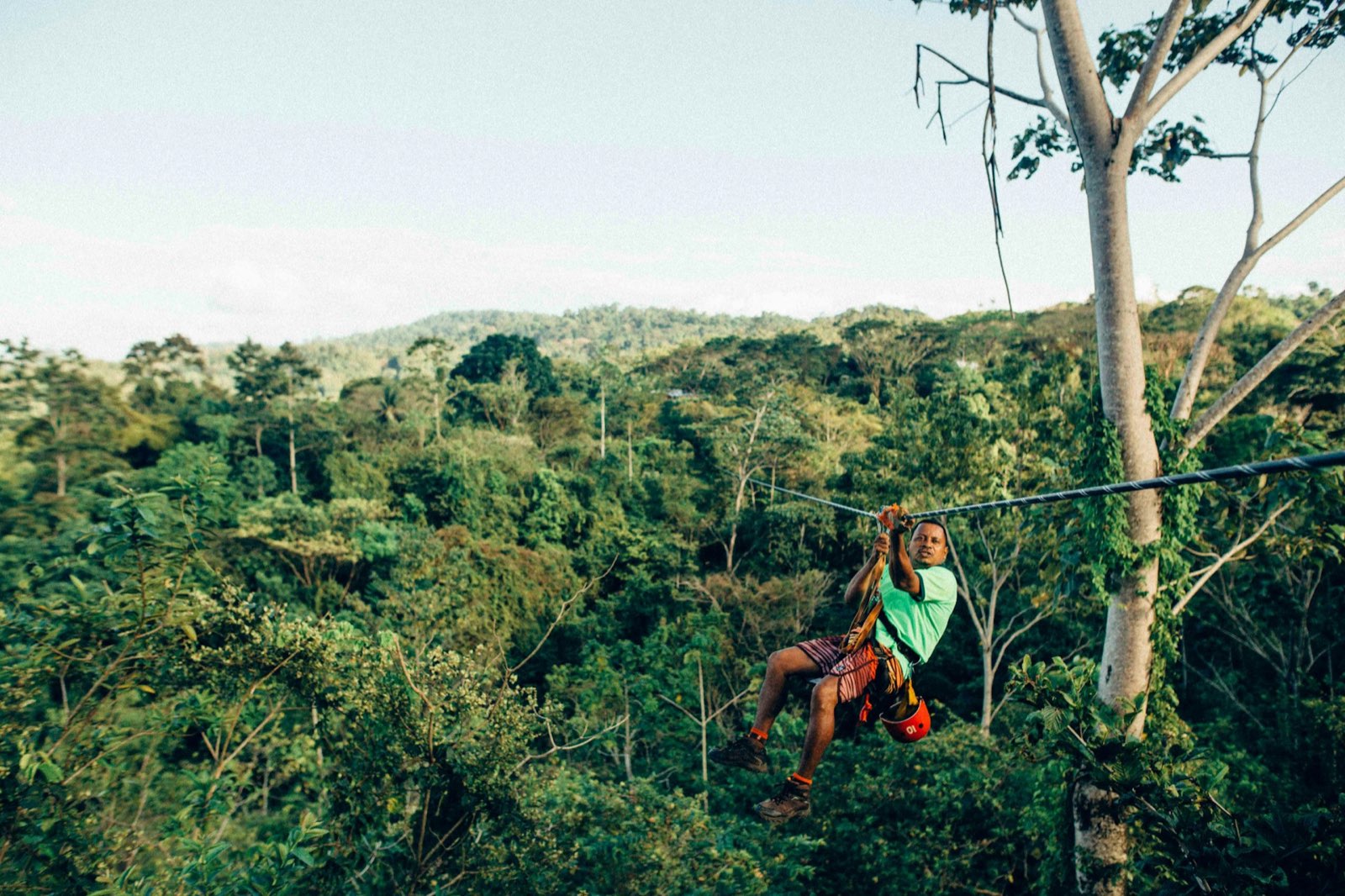
Guanacaste is built for water-based adventure. Surfing is a way of life in towns like Tamarindo, Nosara, and Playa Grande, with waves for every level from complete beginners to advanced riders. Deep-sea sport fishing out of Flamingo and Papagayo is world-class, with marlin, sailfish, mahi-mahi, and yellowfin tuna all on the menu. Catamaran sunset cruises along the coast are among the most popular activities in the region, combining sailing, snorkeling, and open bar cocktails with views of the coastline painted in orange and gold. For something more active, volcanic hot springs near Rincon de la Vieja offer a unique post-adventure soak, and the area's canopy zip-line tours are some of the longest in the country. Check out our curated experiences to see what is available in Guanacaste.
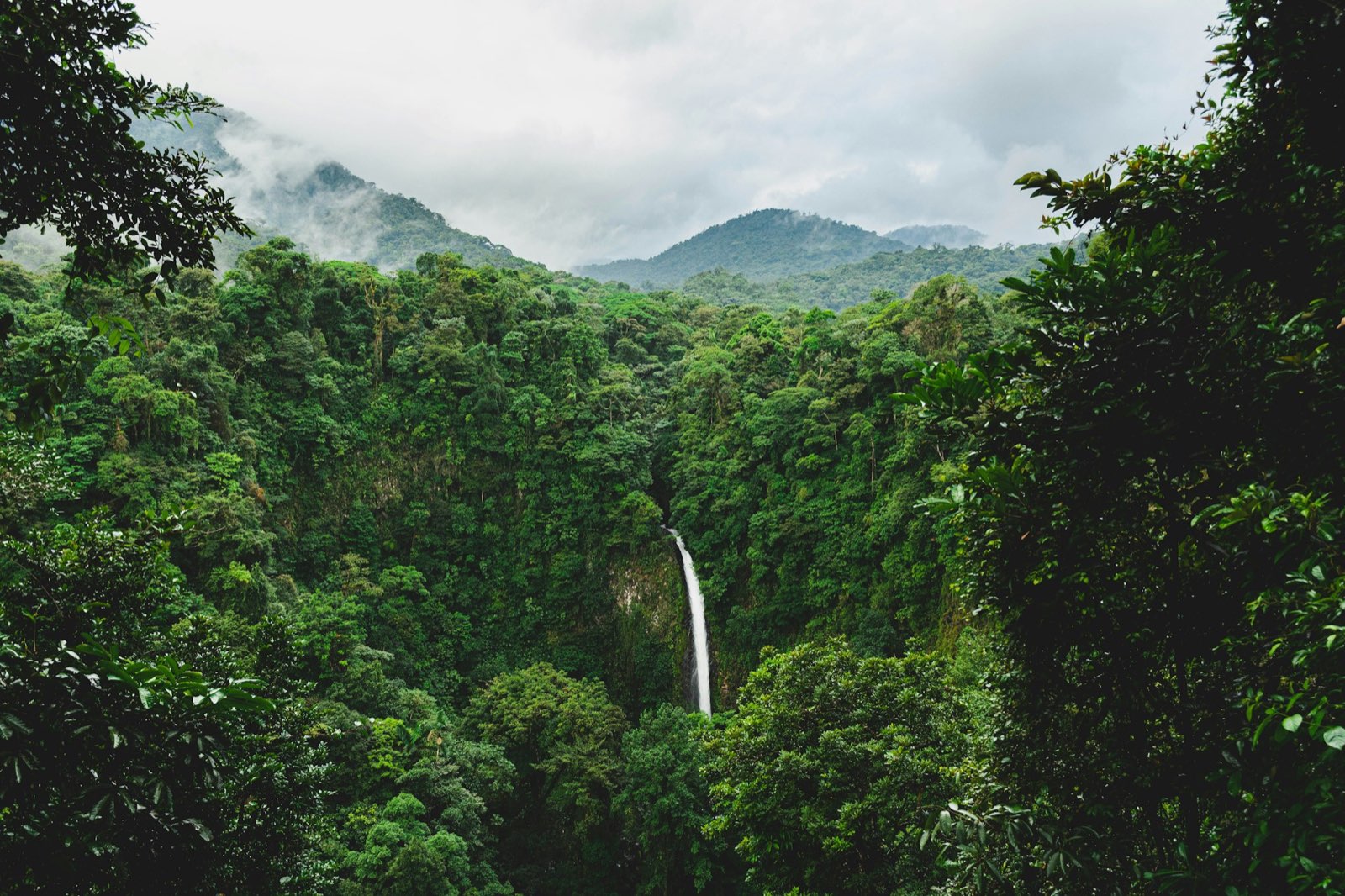
Manuel Antonio leans toward land-based and nature-focused activities. The national park hike is the anchor experience, but there is much more beyond it. Mangrove kayaking through the Isla Damas estuary is a peaceful, wildlife-rich adventure where you paddle through narrow waterways beneath overhanging trees full of monkeys and birds. Nauyaca Waterfalls, about an hour south of Manuel Antonio, is one of the most impressive waterfalls in Costa Rica, a two-tiered cascade dropping 60 meters into a natural swimming pool surrounded by jungle. Night tours with expert naturalist guides reveal a completely different ecosystem after dark, including red-eyed tree frogs, kinkajous, and sleeping toucans. White water rafting on the nearby Savegre and Naranjo rivers offers adrenaline-pumping Class III and IV rapids through pristine canyon scenery.
The verdict on activities: This is a tie. Guanacaste excels at ocean-based adventures and relaxation. Manuel Antonio excels at immersive nature experiences and inland exploration. Your preference depends on whether you see yourself on a boat or on a trail.
Guanacaste has the edge here, largely thanks to Tamarindo. This surf town has evolved into one of Costa Rica's most diverse dining scenes, with everything from authentic Costa Rican sodas serving casados and gallo pinto to high-end restaurants offering fusion cuisine, sushi, and wood-fired Italian. Flamingo and the Papagayo area have excellent upscale dining options as well, many of them with stunning ocean views. When the sun goes down, Tamarindo comes alive. Beach bars, live music, and a genuinely fun nightlife scene make it the best spot in Guanacaste for travelers who want their evenings to be as memorable as their days. Beyond Tamarindo, the nightlife thins out considerably. Towns like Flamingo and Nosara are quieter after dark, which is exactly what many visitors prefer.
Manuel Antonio and Quepos have a more concentrated but still excellent dining scene. Quepos, the larger town at the base of the road leading up to Manuel Antonio, is where you will find the best variety. Fresh seafood is the star here. Ceviche, grilled whole fish, and shrimp dishes are outstanding at local restaurants. The hillside road between Quepos and Manuel Antonio is lined with restaurants offering spectacular sunset views over the Pacific. For nightlife, Manuel Antonio is significantly quieter than Tamarindo. There are a handful of bars and lounges, and the odd live music night, but this is not a destination you choose for its party scene. Most visitors enjoy a leisurely dinner, perhaps a cocktail with a view, and are happily in bed by ten.
The verdict on dining and nightlife: Guanacaste wins, with Tamarindo leading the charge. Both regions have excellent seafood and dining options, but Guanacaste offers more variety and a more vibrant after-dark scene.
Guanacaste is served by Daniel Oduber Quiros International Airport in Liberia (airport code LIR), which receives direct flights from many major US and Canadian cities. From the airport, most Guanacaste destinations are between 30 and 90 minutes by car. Flamingo is roughly 70 minutes, Tamarindo about 75 minutes, and the Papagayo Peninsula just 30 minutes. This ease of access is a major advantage. You can land, pick up your rental car or arrange a private transfer, and be at your villa poolside within an hour. No long drives, no overnight stops, no travel fatigue.
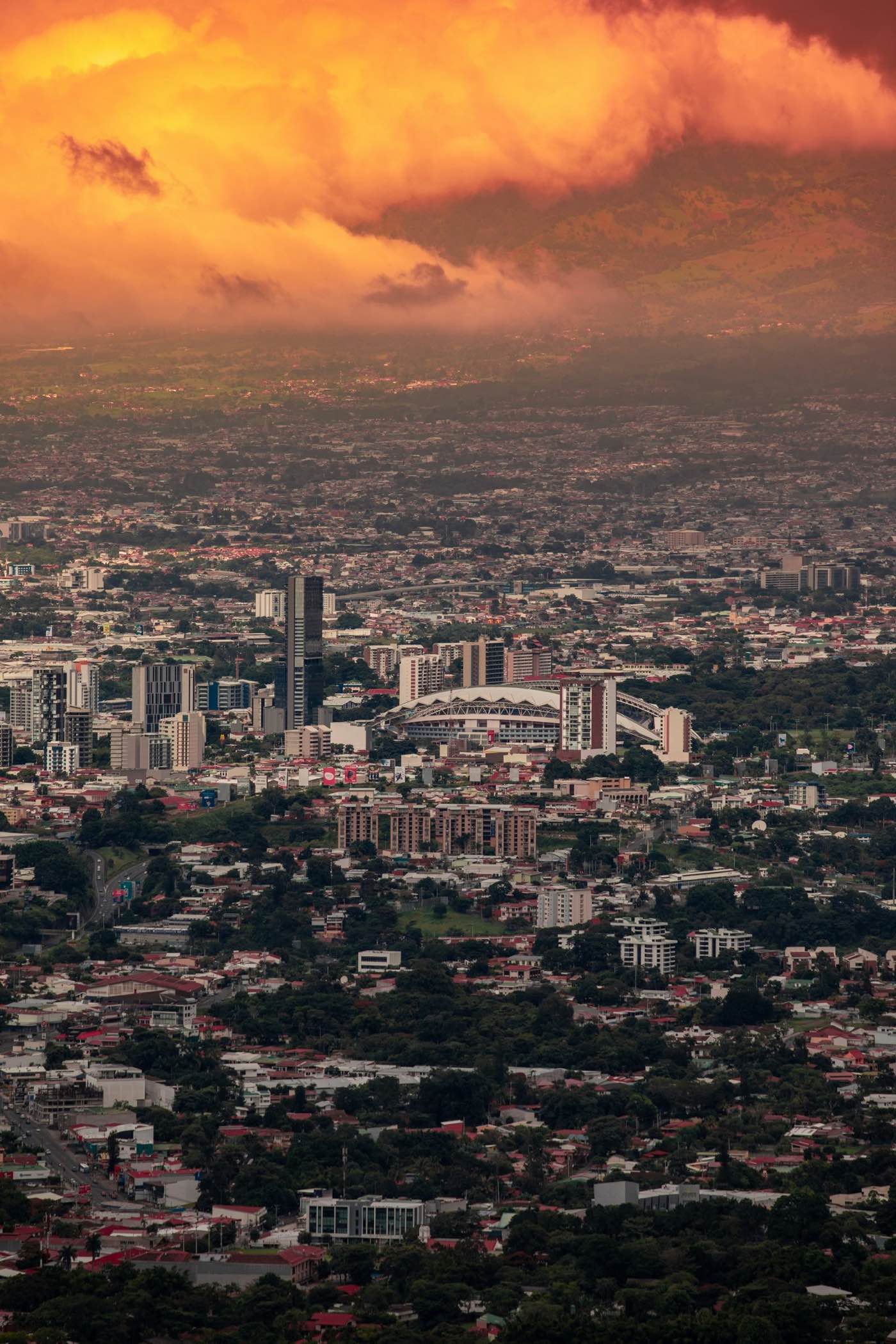
Manuel Antonio requires a bit more effort. Most international visitors fly into Juan Santamaria International Airport in San Jose (airport code SJO), the country's main hub. From San Jose, the drive to Manuel Antonio takes approximately three to three and a half hours along a well-paved highway that winds through mountains and offers beautiful scenery. If driving sounds like too much after a long flight, domestic airlines like Sansa operate daily flights from San Jose to Quepos, the small airstrip near Manuel Antonio. The flight takes about 30 minutes and drops you within a short taxi ride of your accommodation. This is particularly worth considering for families with young children or travelers who prefer to minimize time in the car.
The verdict on getting there: Guanacaste wins for convenience, especially for travelers arriving from North America. Manuel Antonio requires more planning but is entirely manageable with a domestic flight or a scenic drive.
Guanacaste has the widest selection of luxury vacation villas in Costa Rica. The region's development over the past two decades has produced an impressive inventory of high-end properties, from hillside villas with infinity pools overlooking the Pacific to beachfront estates with private chef service and direct sand access. For groups, multi-generational families, and travelers who want space and privacy, Guanacaste is hard to beat. The variety in price points is also broader, making it easier to find something that fits your budget without sacrificing quality.
Manuel Antonio has a stronger selection of boutique hotels and eco-lodges, reflecting the region's nature-first identity. Vacation villas are available but in smaller numbers. The hillside terrain between Quepos and the national park means many properties are perched on steep slopes with dramatic jungle and ocean views, which is beautiful but can mean lots of stairs and less flat outdoor space. For couples and smaller groups, the intimate, tucked-into-the-jungle feel of Manuel Antonio accommodations is part of the charm.
Marquis Stays offers luxury properties in both regions, each carefully selected for quality, location, and guest experience. Whether you are looking for a sprawling Guanacaste estate or a private retreat near Manuel Antonio's famous park, you can browse our luxury villas to find exactly what you need. Read what past guests have said on our reviews page.
Both Guanacaste and Manuel Antonio are world-class destinations. The right choice comes down to your priorities, your travel style, and what kind of memories you want to bring home.
Choose Guanacaste if you are:
Choose Manuel Antonio if you are:
The best of both worlds. If your schedule allows, the ideal Costa Rica trip includes both destinations. A popular itinerary splits the trip into four nights in Guanacaste followed by four nights in Manuel Antonio, or vice versa. This gives you the beach-and-sunshine relaxation of Guanacaste paired with the wildlife-and-adventure intensity of Manuel Antonio. The drive between the two takes approximately four hours along the Pacific coast and passes through charming small towns where you can stop for lunch.
Not sure which region suits your travel style? Our team at Marquis Stays helps guests make this decision every day. Browse our luxury villas in both regions, explore our curated experiences, or read our family vacation planning guide if you are traveling with children. Whichever destination you choose, Costa Rica will not disappoint.