Costa Rica is one of those rare destinations that rewards visitors year-round. Whether you arrive in the middle of the dry season or at the height of the green season, you will find something extraordinary waiting for you: a nesting sea turtle, a waterfall surrounded by emerald foliage, or a perfectly uncrowded beach. The real question is not whether Costa Rica is worth visiting at a given time of year. It always is. The question is which version of Costa Rica you want to experience.
Understanding the country's seasonal patterns will help you align your trip with your priorities, whether those are sunshine and predictable weather, budget savings, wildlife encounters, or simply having fewer people on the trail ahead of you. Below is everything you need to plan your timing wisely.
Unlike temperate countries with four distinct seasons, Costa Rica operates on a two-season system shaped by its tropical latitude. These are commonly referred to as the dry season and the green season (also called the rainy season).
The dry season runs roughly from December through April. Locals call it "verano," or summer, even though it coincides with winter in the Northern Hemisphere. During these months, rain is rare in most of the Pacific coast and Central Valley regions. Skies are reliably blue, temperatures are warm, and humidity is lower than the rest of the year.
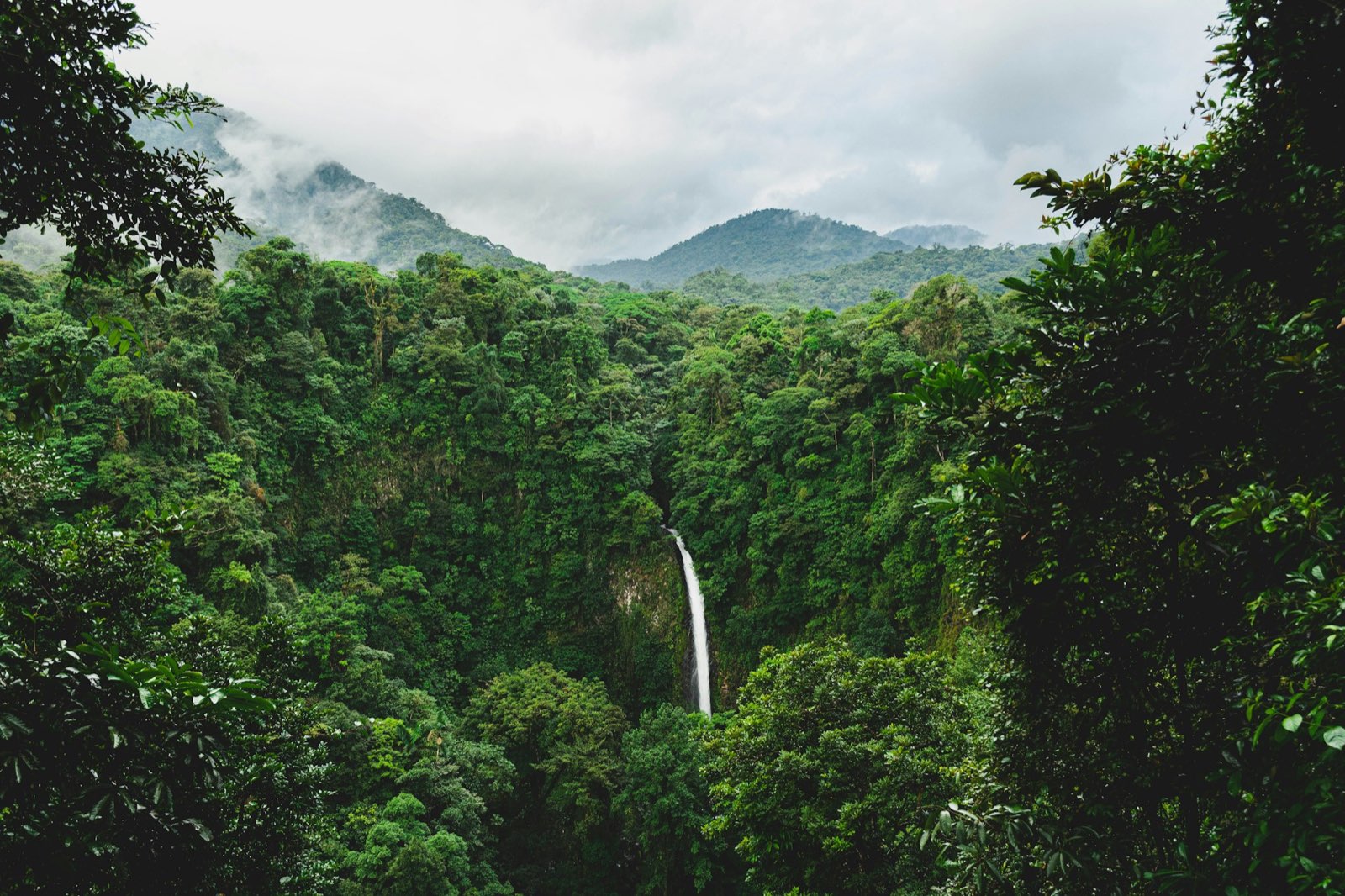
The green season spans from May through November. This is when the landscape transforms. Rivers swell, waterfalls reach their full power, and the hillsides turn a vivid, almost impossible green. Rain typically arrives in the afternoon or evening, leaving mornings clear and bright. The name "green season" was coined by the tourism industry to reframe what was once dismissively called the rainy season, and honestly, the rebranding is accurate. The country is at its most visually stunning during these months.
Average temperatures remain relatively consistent throughout the year, hovering between 70 and 90 degrees Fahrenheit depending on elevation. Coastal areas are warmer. Highland areas like Monteverde or the Central Valley are cooler. What changes between seasons is not temperature but precipitation.
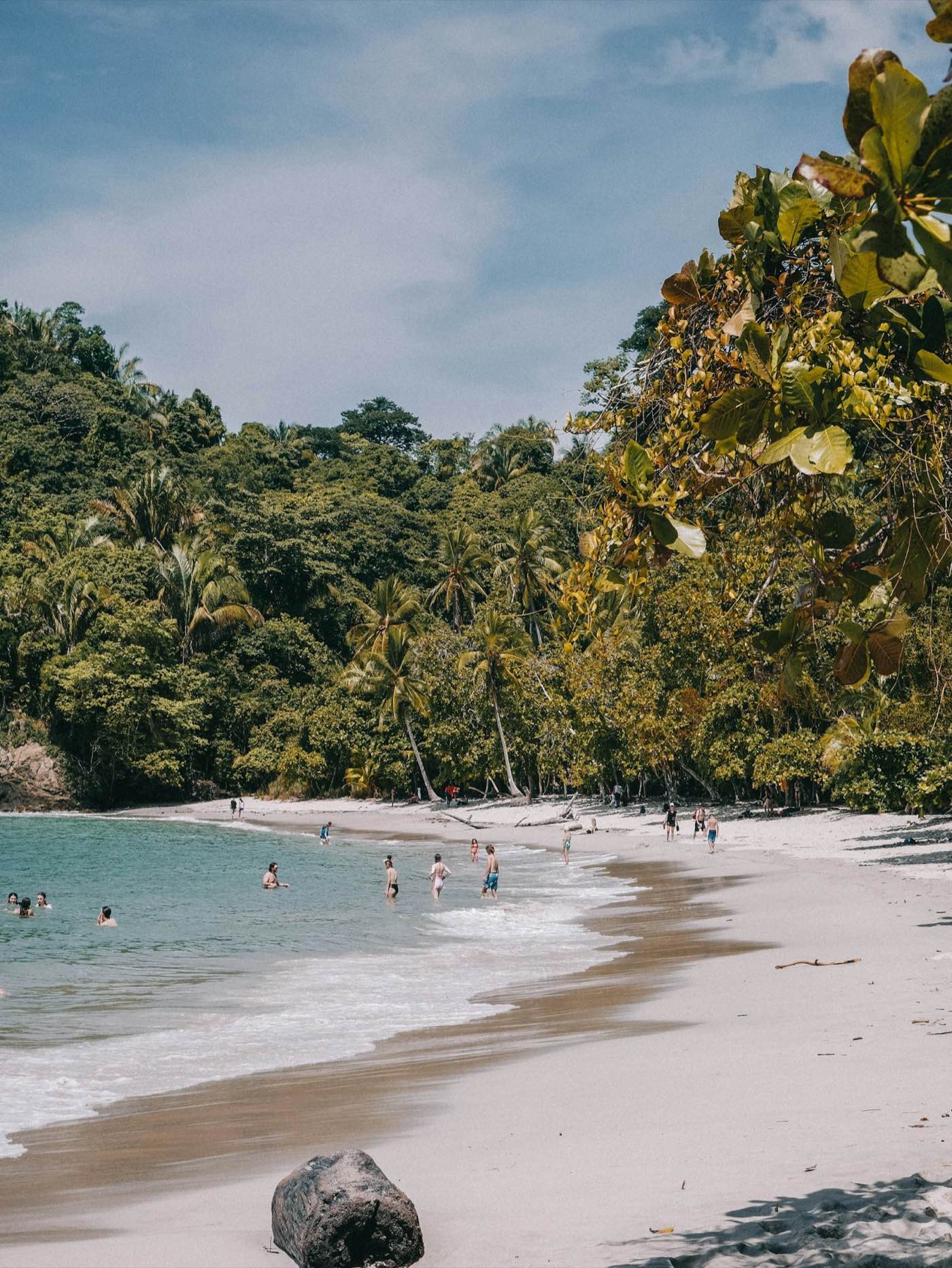
The dry season is the most popular time to visit Costa Rica, and for good reason. If your trip revolves around beach days, outdoor dining, and reliable sunshine, these months deliver consistently. The Pacific coast, particularly Guanacaste province, is the driest region during this window, with many days passing without a single cloud.
This is peak tourism season, which means higher accommodation rates, busier national parks, and the need to book well in advance. The absolute peak within the peak is the stretch from mid-December through early January, when holiday travelers from North America and Europe converge with Costa Rican families on school vacation. Prices during Christmas and New Year's can be 30 to 50 percent higher than even the rest of the dry season.
January and February tend to offer the best balance within the dry season: excellent weather, slightly thinner crowds than the holiday weeks, and rates that are high but not at their absolute ceiling. March is comparable, though Semana Santa (Holy Week, typically in late March or April) brings another surge of domestic tourism. If your dates overlap with Semana Santa, expect beaches and parks to be busy and book accommodations early.
April is a transitional month. The first half is typically dry, but by late April you may encounter afternoon showers as the green season approaches. It is still a solid time to visit, with the added benefit that some travelers avoid it, thinking the rains have already started.
The green season is Costa Rica's best-kept secret, and experienced travelers know it. Yes, it rains. But the pattern is predictable and manageable: mornings are usually sunny and clear, with rain arriving in the mid-to-late afternoon and tapering off by evening. Many visitors find that the rain barely affects their plans at all. You hike in the morning, explore a town or relax by the pool around midday, and let the afternoon shower cool everything down while you read a book under a covered terrace.
The financial advantages are significant. Accommodation rates drop 20 to 30 percent across most of the country. Flights are cheaper. Rental cars are easier to secure. Tours and excursions are less crowded, which often means a more intimate and personal experience with your guide.
The green season also offers wildlife experiences that the dry season simply cannot match. Humpback whales migrate along the Pacific coast from July through October, making this one of the best whale-watching windows in the world. Sea turtle nesting intensifies during these months as well. The lush vegetation supports more bird activity and insect life, which in turn attracts more animals to visible areas.
The one genuine downside is that some remote roads and river crossings can become challenging during heavy rains, particularly in September and October, which are the wettest months. A 4x4 vehicle is recommended during this period, especially if you plan to visit the Osa Peninsula or other off-the-beaten-path regions.
If you want the benefits of the green season's lower prices and thinner crowds without the heaviest rainfall, aim for the shoulder months: May, early June, or November.
May marks the beginning of the green season, and the rains are still getting established. Showers tend to be shorter and lighter than later months. The landscape is already greening up, but the rivers haven't reached their highest levels yet. Tourism numbers are low, and you will find genuine availability at properties that were fully booked just weeks earlier.
Early June is similar. The rains intensify slightly but remain concentrated in the afternoons. Schools in North America are just letting out, so the summer travel rush has not yet arrived.
November is perhaps the most underrated month of all. The rains begin to ease toward the end of the month, the landscape is at maximum lushness, and tourism is at its annual low before the December surge. Late November offers conditions that rival the dry season in many Pacific coast areas, at a fraction of the cost. It is a genuinely excellent time to visit.
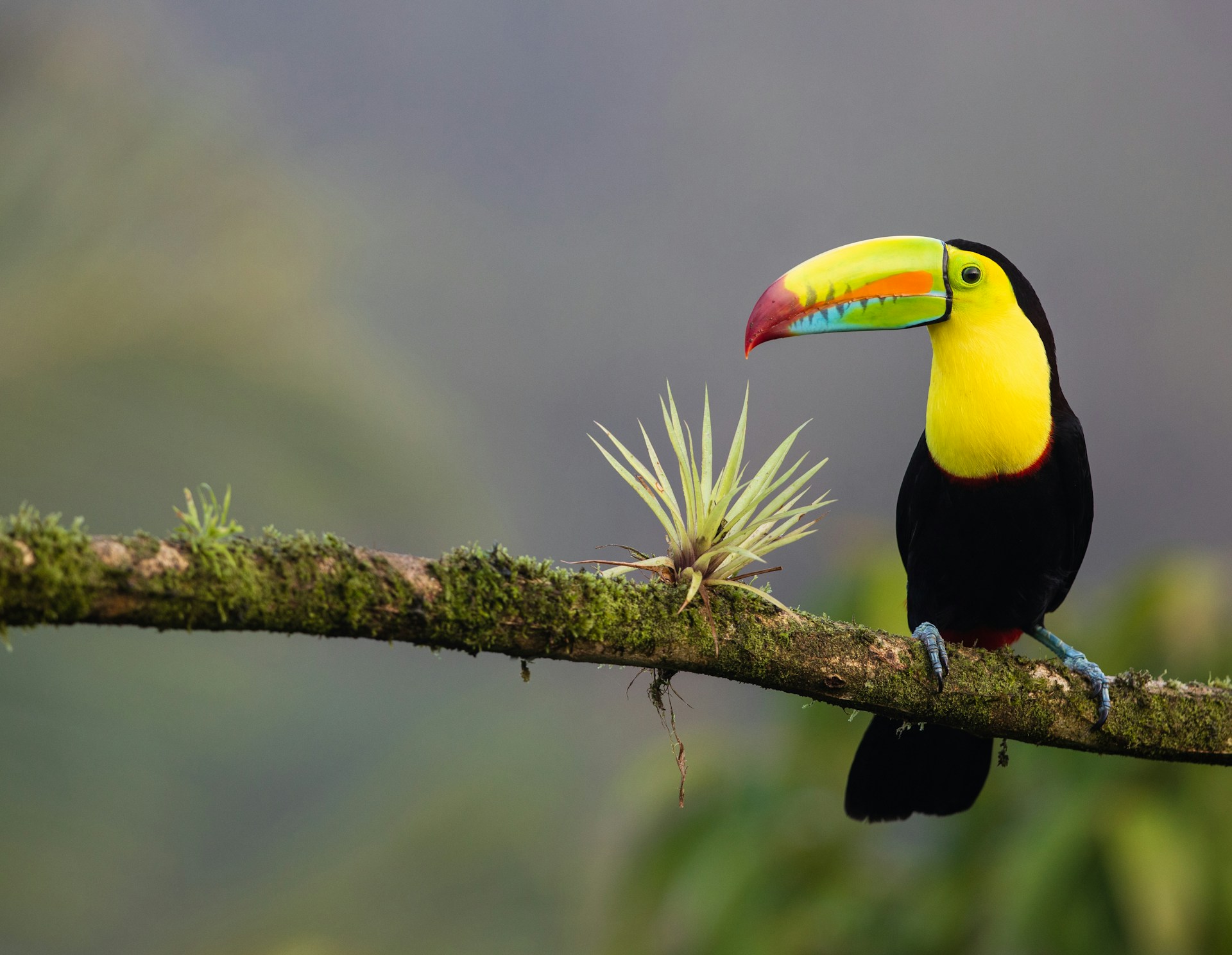
Costa Rica is one of the most biodiverse countries on Earth, home to roughly five percent of the world's species despite covering just 0.03 percent of its surface area. Wildlife viewing is excellent year-round, but different seasons highlight different species.
Sea turtles nest along both coasts from July through December, with the specific timing varying by species. Olive ridley turtles arrive in massive "arribada" events on the Pacific coast, while leatherbacks nest at Playa Grande and other Guanacaste beaches from October through March. If witnessing a nesting event is on your list, plan accordingly and book a guided nighttime tour through a conservation program.
Humpback whales pass through Costa Rican waters from July through October (Southern Hemisphere populations) and again from December through March (Northern Hemisphere populations). The July-to-October window is considered the stronger of the two, with larger concentrations of whales visible from the central and southern Pacific coast.
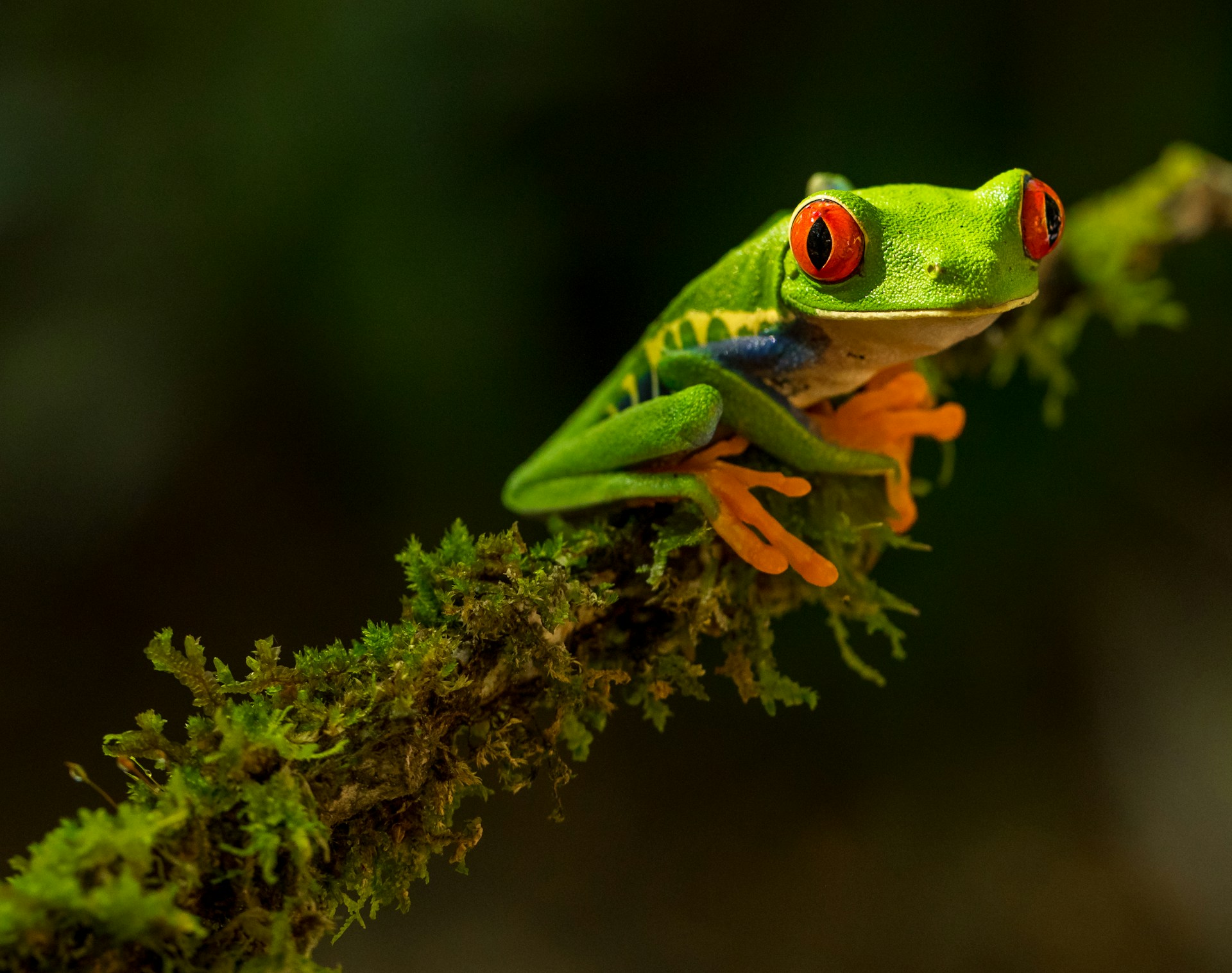
Bird watching is rewarding throughout the year. Costa Rica is home to over 900 bird species, including the resplendent quetzal, scarlet macaw, and dozens of hummingbird species. The dry season is particularly productive because birds congregate around remaining water sources, making them easier to spot. However, the green season brings migratory species from North America, expanding the total number of species you might encounter.
During the dry season, the reduced foliage in deciduous forests makes it easier to spot mammals, reptiles, and amphibians. Howler monkeys, white-faced capuchins, coatis, and iguanas are all more visible when the canopy is thinner.
Costa Rica's Pacific and Caribbean coasts operate on different swell patterns, giving surfers options no matter when they visit.
The Pacific coast receives its largest and most consistent swells from May through November, coinciding with the green season. South and southwest swells generated by storms in the southern Pacific Ocean produce powerful, well-formed waves at breaks up and down the coast. Playa Grande, Tamarindo, Nosara, and Santa Teresa all fire during these months. This is prime time for experienced surfers looking for overhead-plus conditions.
The Caribbean coast, particularly around Puerto Viejo and Cahuita, follows an opposite pattern. The best waves arrive from December through March, when north swells push down from the Atlantic. Salsa Brava, one of Central America's most respected reef breaks, is most consistent during this window.
Beginners can find manageable waves year-round, especially at Tamarindo and Playa Guiones (Nosara), where gentle beach breaks provide forgiving conditions even during the dry season's smaller swells.
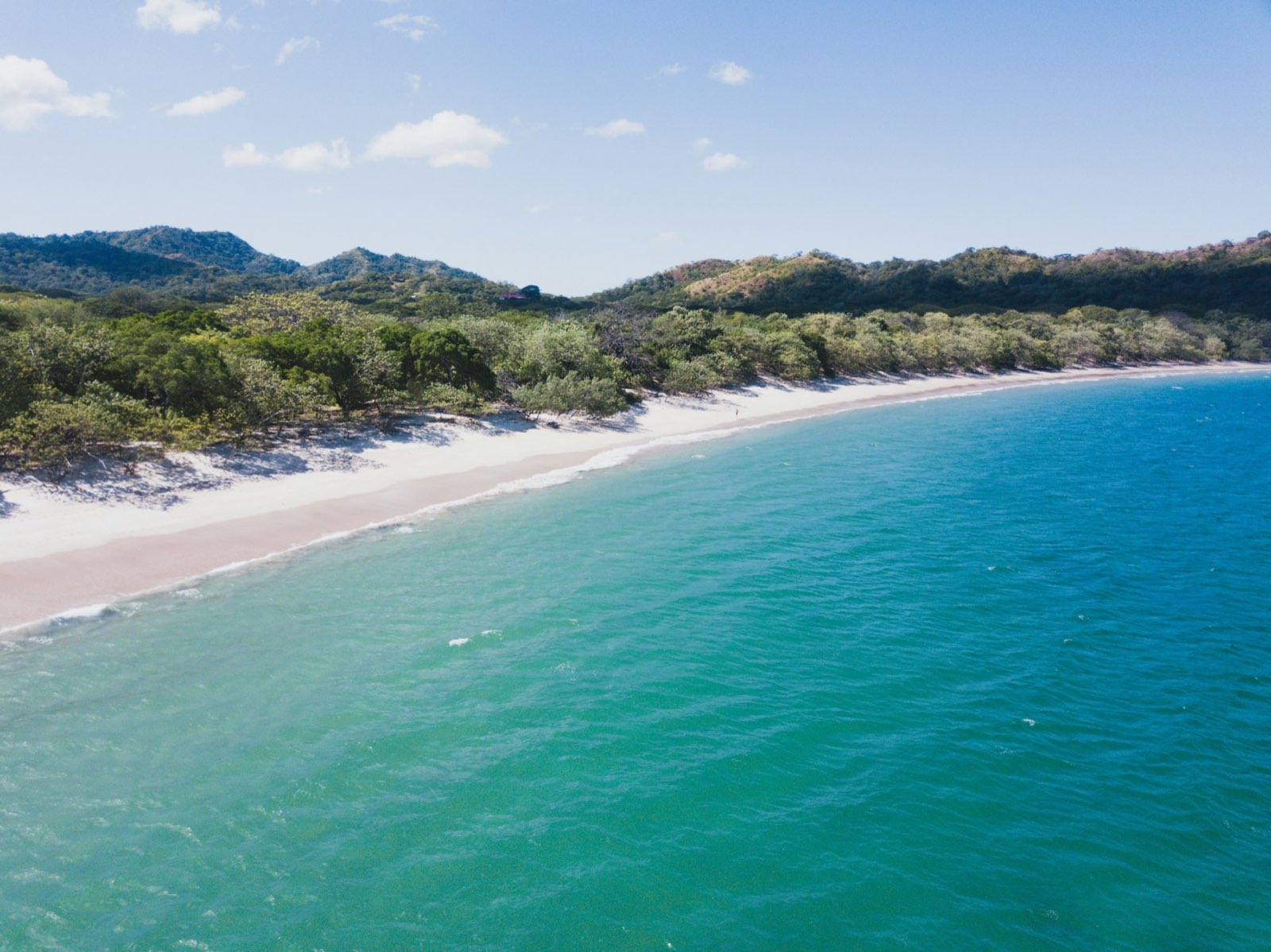
One of the most important things to understand about Costa Rica's weather is that it varies dramatically by region. The country may be small, but its microclimates are remarkably diverse.
Guanacaste and the northern Pacific coast are the driest areas in the country. During the dry season, this region can go weeks without rain. Even during the green season, rainfall here is lighter and less frequent than in other parts of Costa Rica. If predictable sunshine is your top priority, Guanacaste is your best bet regardless of season.
The Central Valley (including San Jose, Atenas, and Grecia) sits at a higher elevation, giving it a spring-like climate year-round. Temperatures are cooler, typically in the 70s Fahrenheit. Rain is common during the green season, often arriving like clockwork in the late afternoon.
The Caribbean coast follows its own weather pattern entirely. While the Pacific side is dry from December through April, the Caribbean can receive significant rainfall during these same months. Conversely, September and October, the wettest months on the Pacific side, can be relatively dry on the Caribbean coast. If your itinerary includes both coasts, expect different conditions on each side.
Arenal and La Fortuna are rainier than the national average year-round due to their location between mountain ranges. Rain here is possible in any month, which is part of what keeps the region so spectacularly green. The dry season still offers drier conditions, but arriving with rain expectations at Arenal is wise no matter when you visit.
The Osa Peninsula and southern Pacific coast receive the most rainfall of any coastal area. The green season here is genuinely wet, with heavy daily rains from September through November. However, the region's extraordinary biodiversity makes it worth visiting in any season.
There is no single "best" time to visit Costa Rica. The right timing depends entirely on your priorities, your budget, and what kind of experience you are seeking.
For first-time visitors who want a well-rounded introduction with reliable weather, we recommend late November or early December. You get the tail end of green season pricing with the beginning of dry season conditions. The landscape is still lush, crowds have not yet reached their peak, and you avoid both the holiday premium and the heaviest rains.
For budget-conscious travelers, May and June offer the strongest value. Prices are at their lowest, the rains are just starting, and you will have beaches, trails, and tours largely to yourself. This is also an excellent time for whale watching on the southern Pacific coast.
For families with school-age children, mid-December through mid-January aligns with school holidays and delivers the most reliably sunny weather. Yes, it is peak season, and yes, prices reflect that. But for families who need guaranteed good weather for a limited vacation window, the dry season delivers. Book early, ideally six months or more in advance, to secure the best properties.
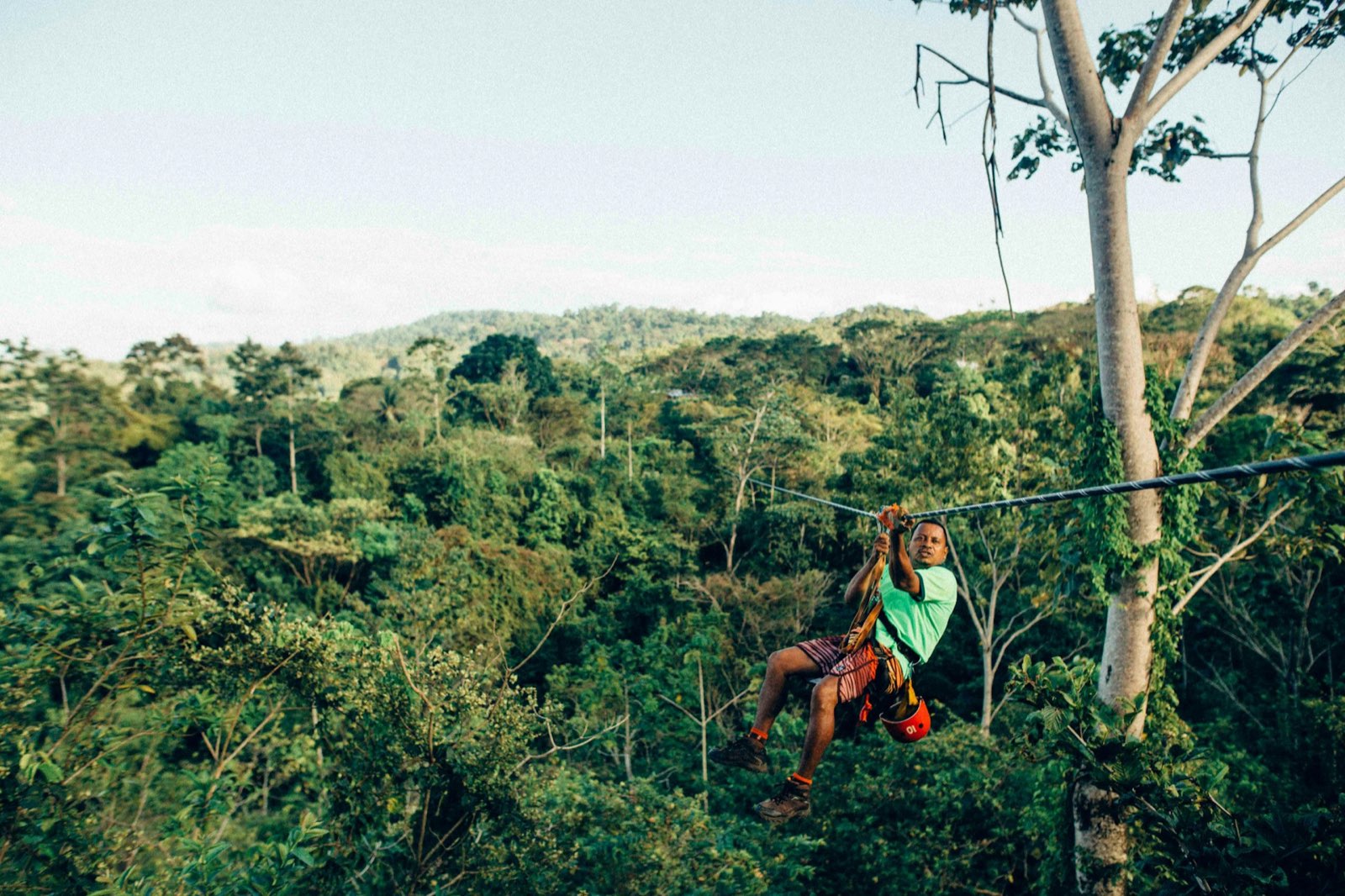
For surfers and adventure seekers, the green season (May through November) is hard to beat. Swells are bigger, rivers are running for white water rafting, and the jungle is alive with activity.
No matter when you choose to visit, Costa Rica will exceed your expectations. The country's natural beauty, warm people, and remarkable biodiversity create an experience that transcends seasons. Ready to start planning? Browse our luxury properties in Guanacaste and find the perfect home base for your Costa Rica adventure.